hybridized urban infrastructures (New York NY)
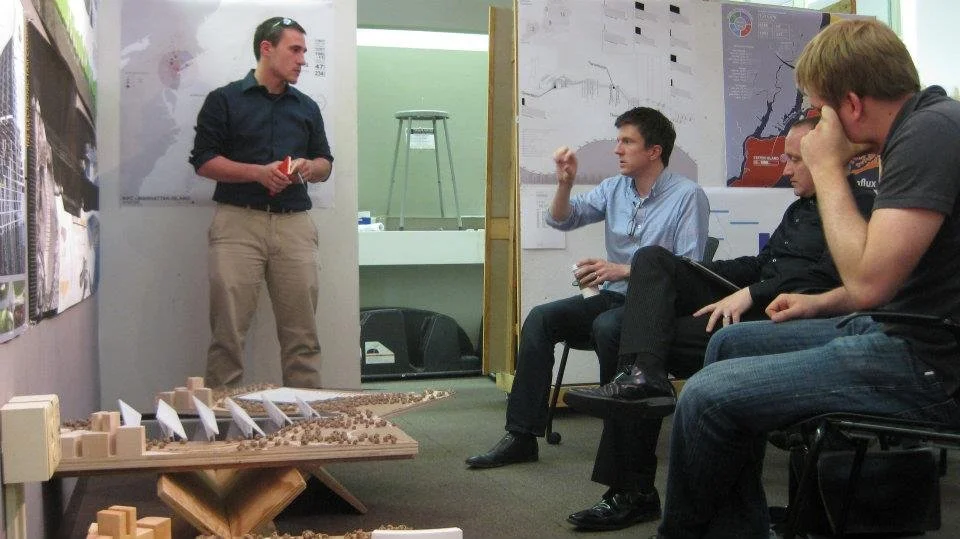
Recognizing that travel is the single-most effective learning tool in one’s architectural education, this 4th year Urbanism studio traveled to, and designed solutions for, New York City.
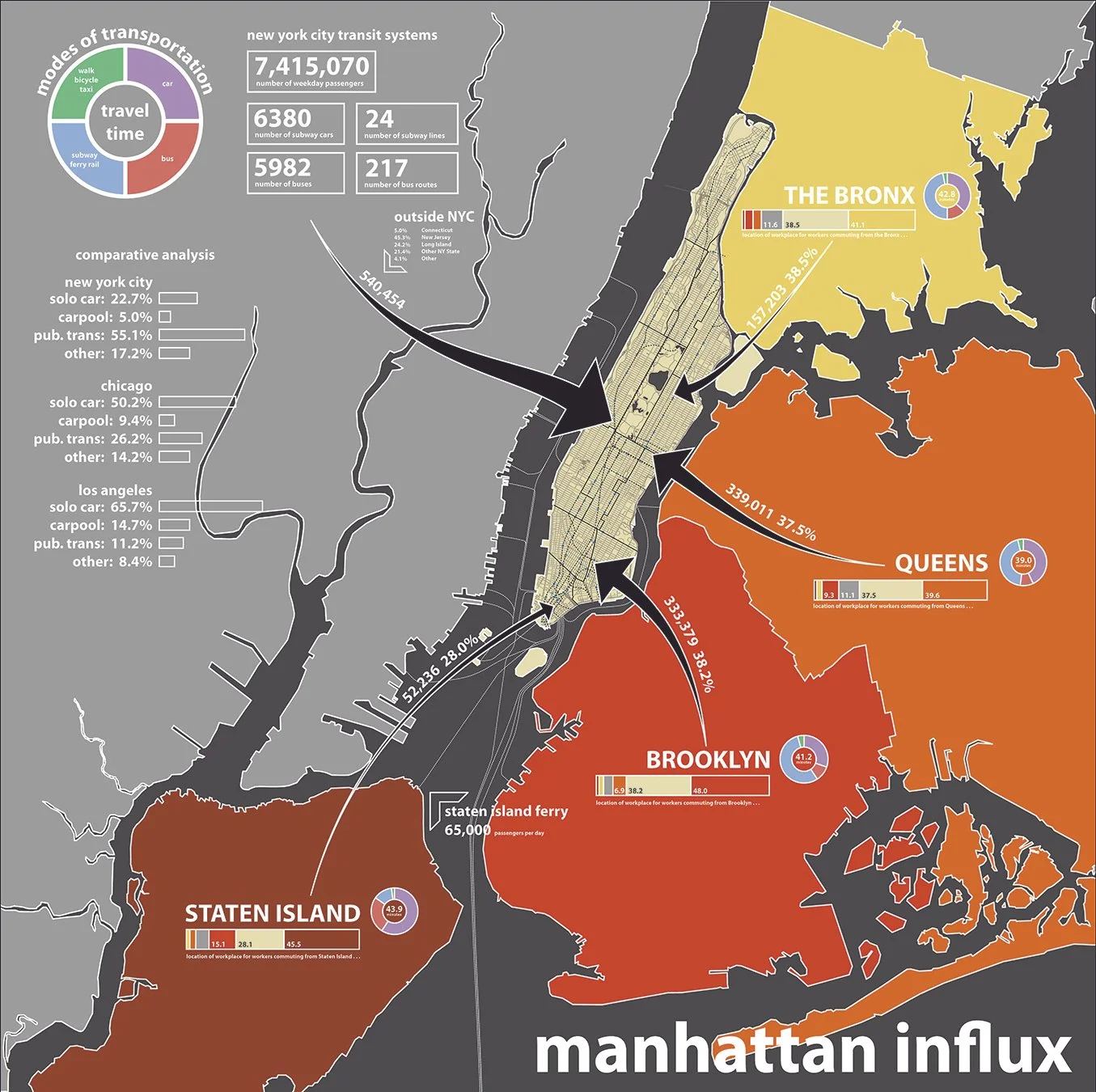
With (28,217) residents per square mile, NEw York NY is the most population-dense city in the United States.
As also the largest metropolitan area in the United States, NYC is an optimum urban condition for personally experiencing and immersively observing the dynamics of urbanism, architecture and infrastructure design, and the demonstrated needs of urban dwellers.
Hybridized Urban Infrastructure (HUI) proposals engaged the question of how infrastructure facilitates urban dwelling with design proposals yielding two or more types of resource units through the configured hybridization of multiple sectors including Agriculture, Energy, Transportation, Waste, or Water.
Each student designed a site-specific HUI for one of three possible sites within the borough of Manhattan. HUI designs may occupy public land, private land, or both, as related to a consistent understanding of urban land use and associated requirements for HUI operation.
These sites include:
01) Central Park Reservoir. Located in the middle of Central Park between 86th and 97th Streets, this reservoir once supplied drinking water to residents of Manhattan. While no longer used for this purpose, the reservoir today is a relatively wide space defined by both a perimeter fence and a treeline. On a daily basis, the Reservoir is visited by hundreds of Manhattan residents as it is the premier location for un-interrupted running / jogging.
02) Hudson Yards. Since the mid-1990s, the airspace above the Penn Station rail yards has been considered a premier site for commercial development in Manhattan. Multiple developer proposals were generated, but failed to deliver any outcomes due to a lack of financing. Before the completion of the build-out as found today, this HUI studio prompted the speculative re-consideration of this land use for infrastructural purposes.
03) Castle Clinton National Monument / Battery Park. Located on the southern-most edge of Manhattan Island, the surface area of the site and associated waterline around this historical Civil War fort have changed as often as the programmatic functions contained within its walls. Today, the Castle Clinton National Monument is visited by thousands of people daily as it is the point of departure for at least two popular tourist attractions.
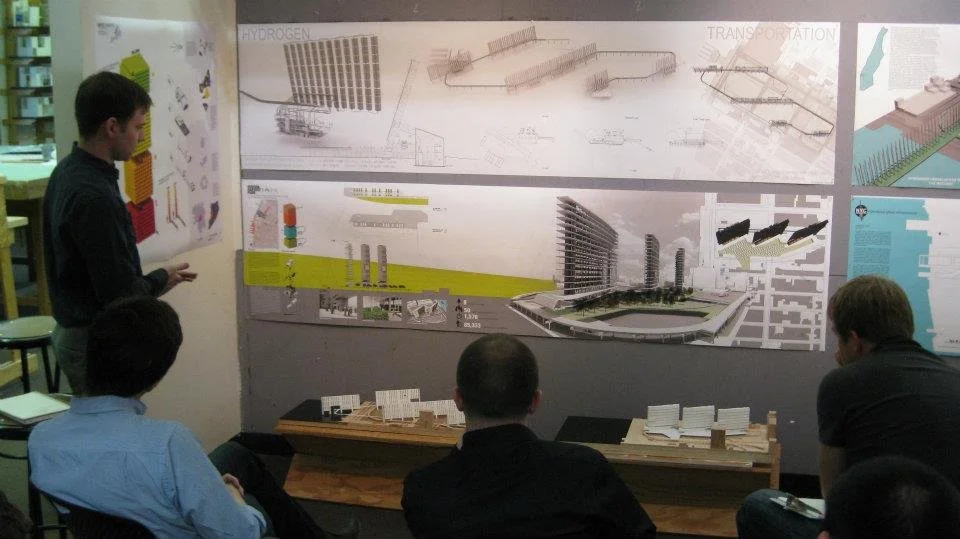
Final presentations were formatted for submission in the Open category of the ACSA - AISC Annual Steel Design Student Competition. Guest jurors for this work included Robert Arens (Cal Poly San Luis Obispo), Sean Gallagher (Diller Scofidio + Renfro), and Ted Shelton (University of Tennessee).
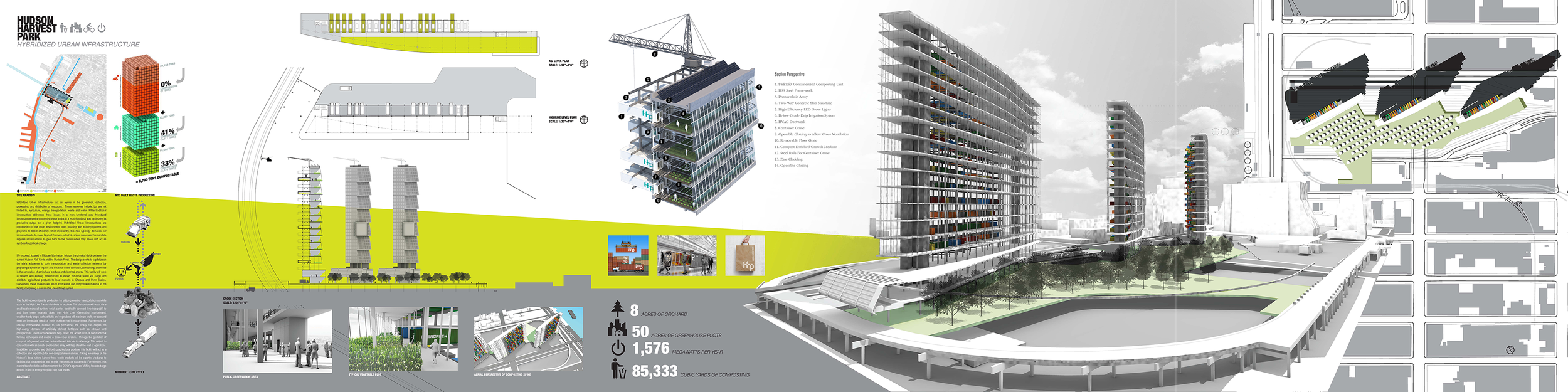
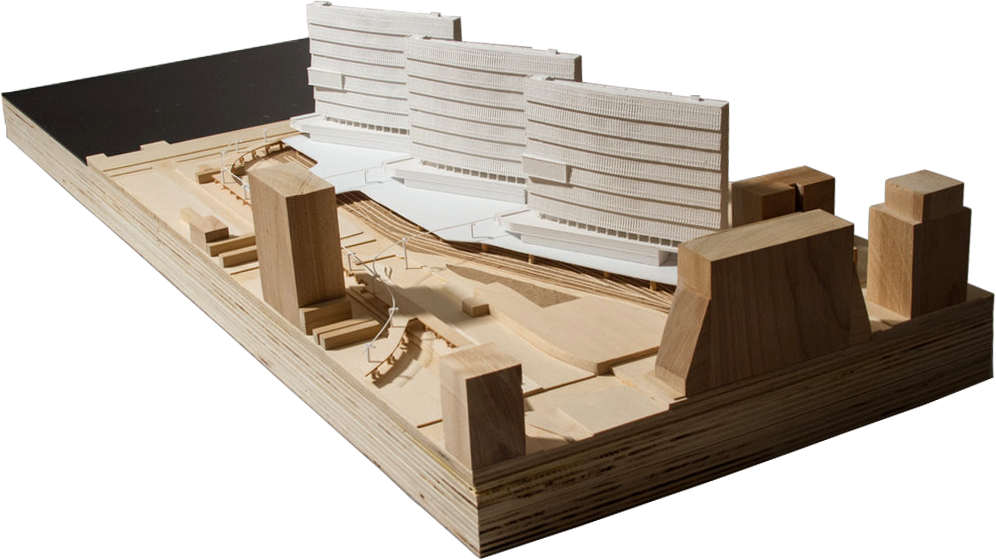
Hudson Harvest Park
Site: Hudson Yards, New York NY
Ryan Ferguson, B.Sci in Design: Architecture, University of Nebraska
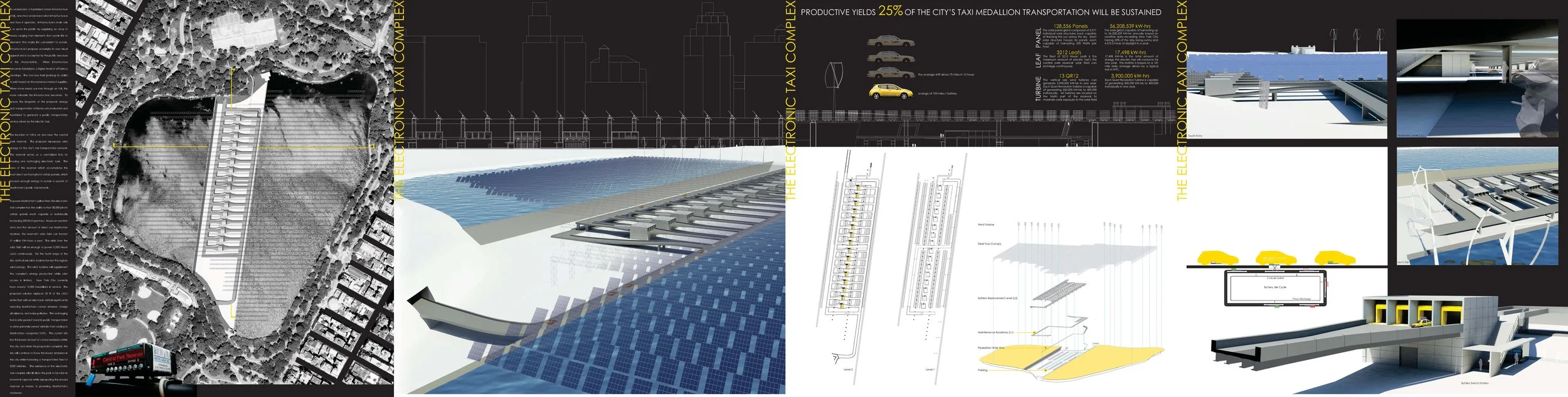
Electric TAxi Complex
Site: Central Park Reservoir, New York NY
Trent Hinze, B.Sci in Design: Architecture, University of Nebraska
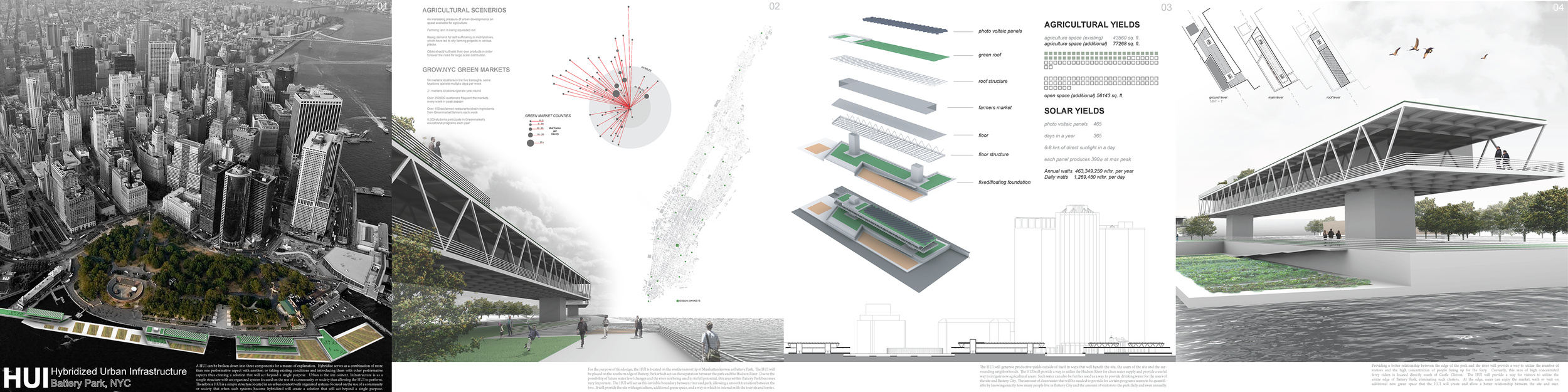
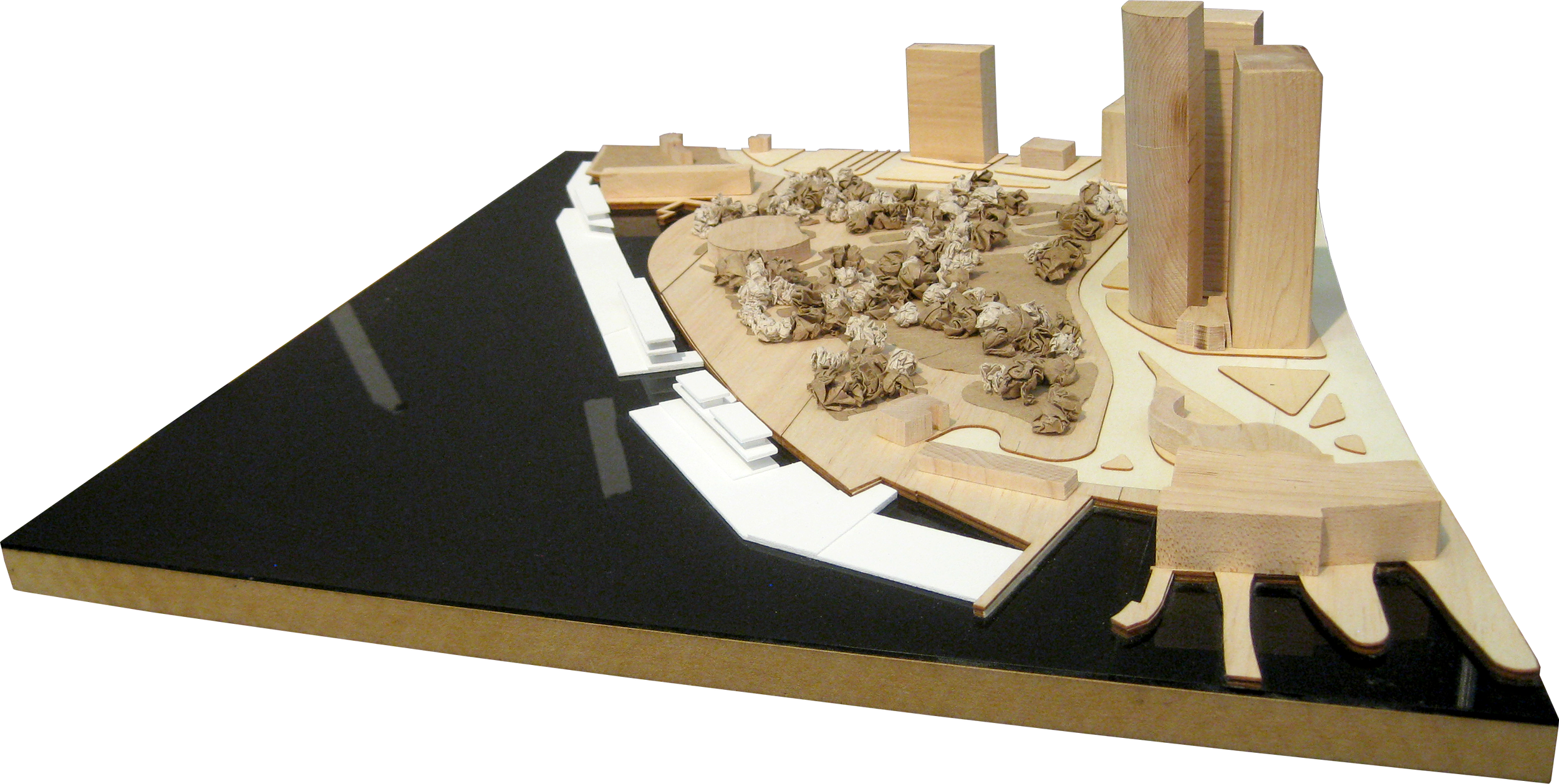
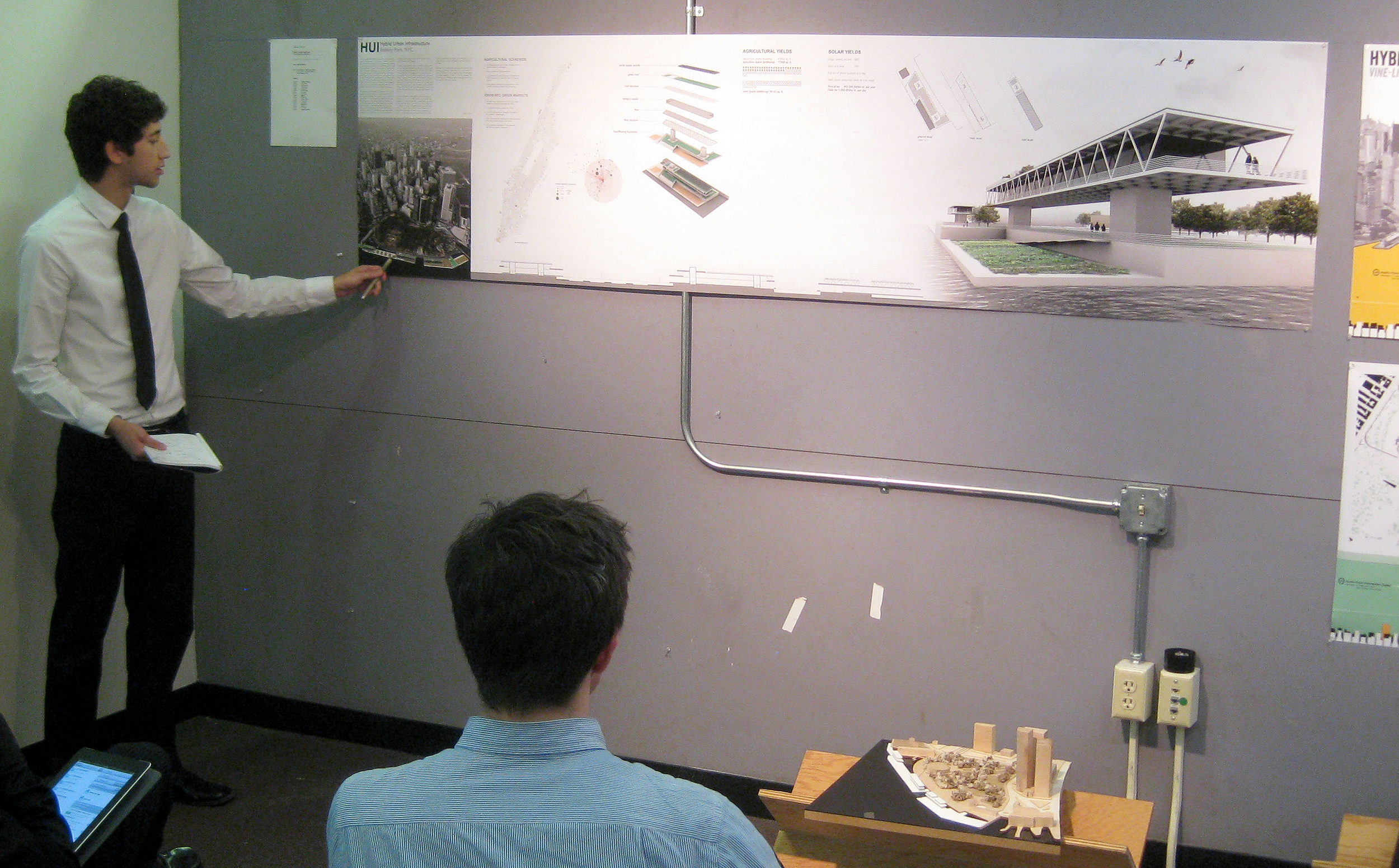
Hybridized Urban Infrastructure
Site: Castle Clinton National Monument / Battery Park, New York NY
Felipe Colin, B.Sci in Design: Architecture, University of Nebraska